
Alameda Dog Training: Techniques for a Happier, Well-behaved Pet
LM
Understanding Your Dog's Behavior
Training your dog is not just about teaching commands; it's about understanding their behavior and communication. Dogs are social animals that thrive on interaction and engagement. By learning to read their body language, you can create a stronger bond and a more effective training environment.
Positive Reinforcement Techniques
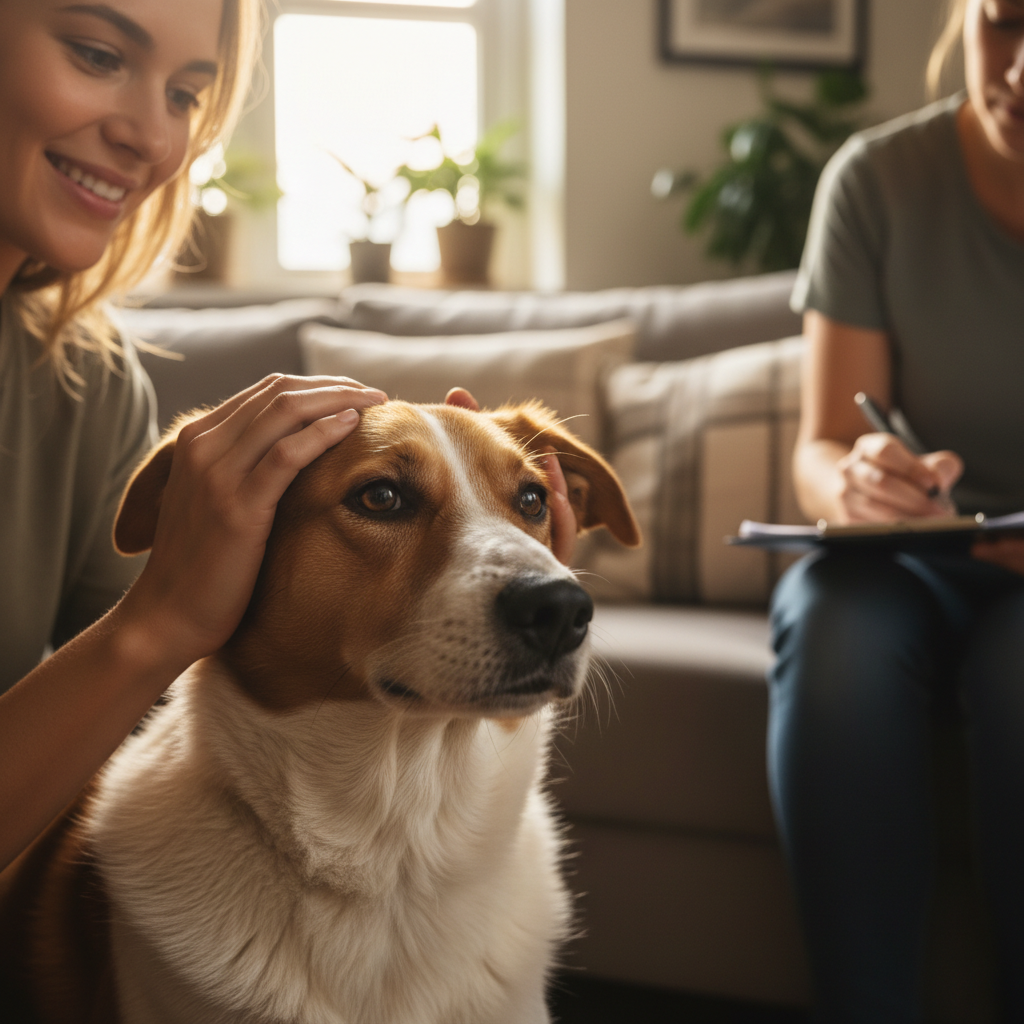
Positive reinforcement is a powerful tool in dog training. This method focuses on rewarding good behavior rather than punishing bad behavior. When your dog listens or performs a desired action, reward them with treats, praise, or playtime. This encourages the repetition of good behavior.
Start with simple commands like "sit" or "stay," and gradually increase the complexity as your dog becomes more confident. Consistency is key, so practice regularly to reinforce these behaviors.
Consistency and Routine
Dogs thrive on routine. Establishing a consistent training schedule helps your pet understand what is expected of them. Set aside specific times each day for training sessions to build a structured environment. This consistency will help your dog learn faster and feel more secure.
Socialization Skills
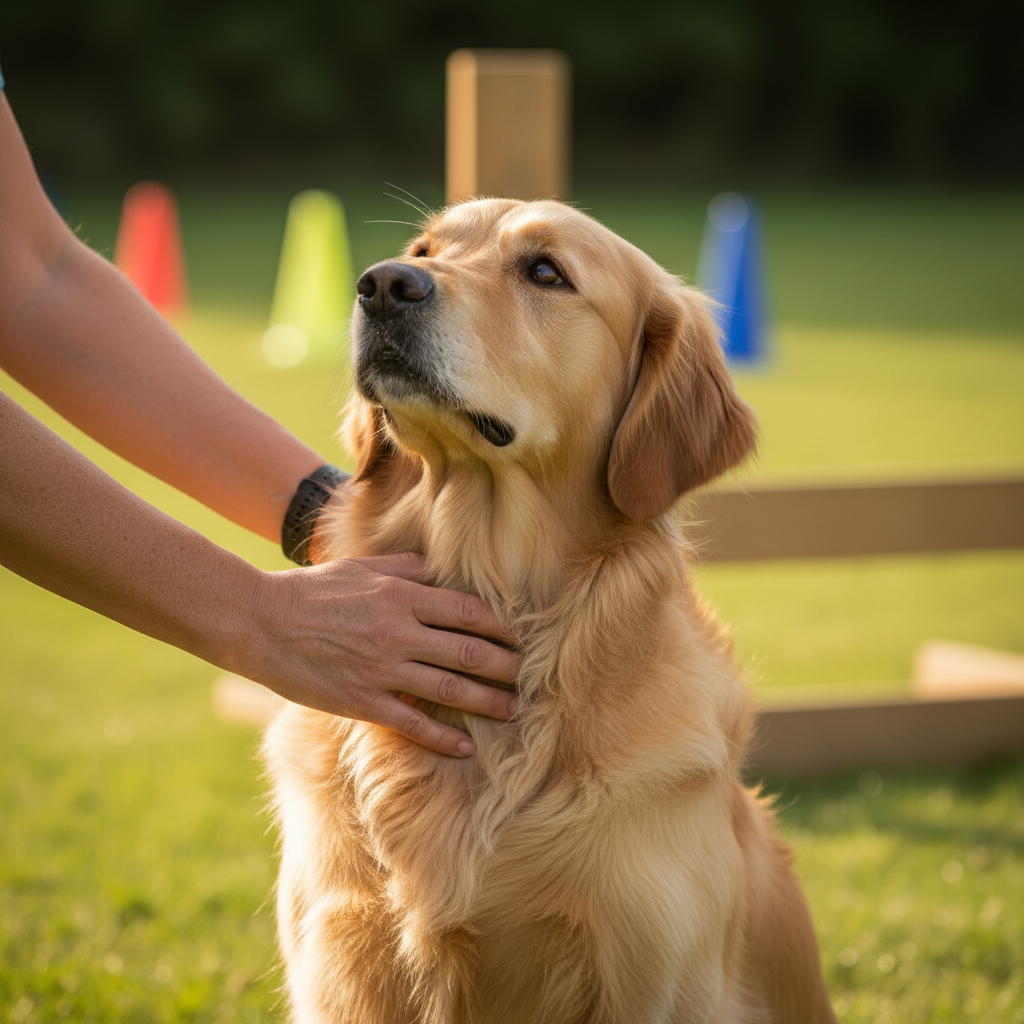
Socialization is crucial for a well-behaved pet. It involves exposing your dog to different environments, people, and other animals. This helps reduce anxiety and aggression, making your dog more adaptable and friendly.
Consider enrolling your dog in a local socialization class or setting up playdates with other dogs. The key is to provide positive experiences that reinforce good behavior in various settings.
Patience and Persistence
Training a dog requires patience and persistence. Some dogs may learn quickly, while others take more time. It's important not to get frustrated. Celebrate small victories and understand that setbacks are part of the process.
Advanced Training Techniques
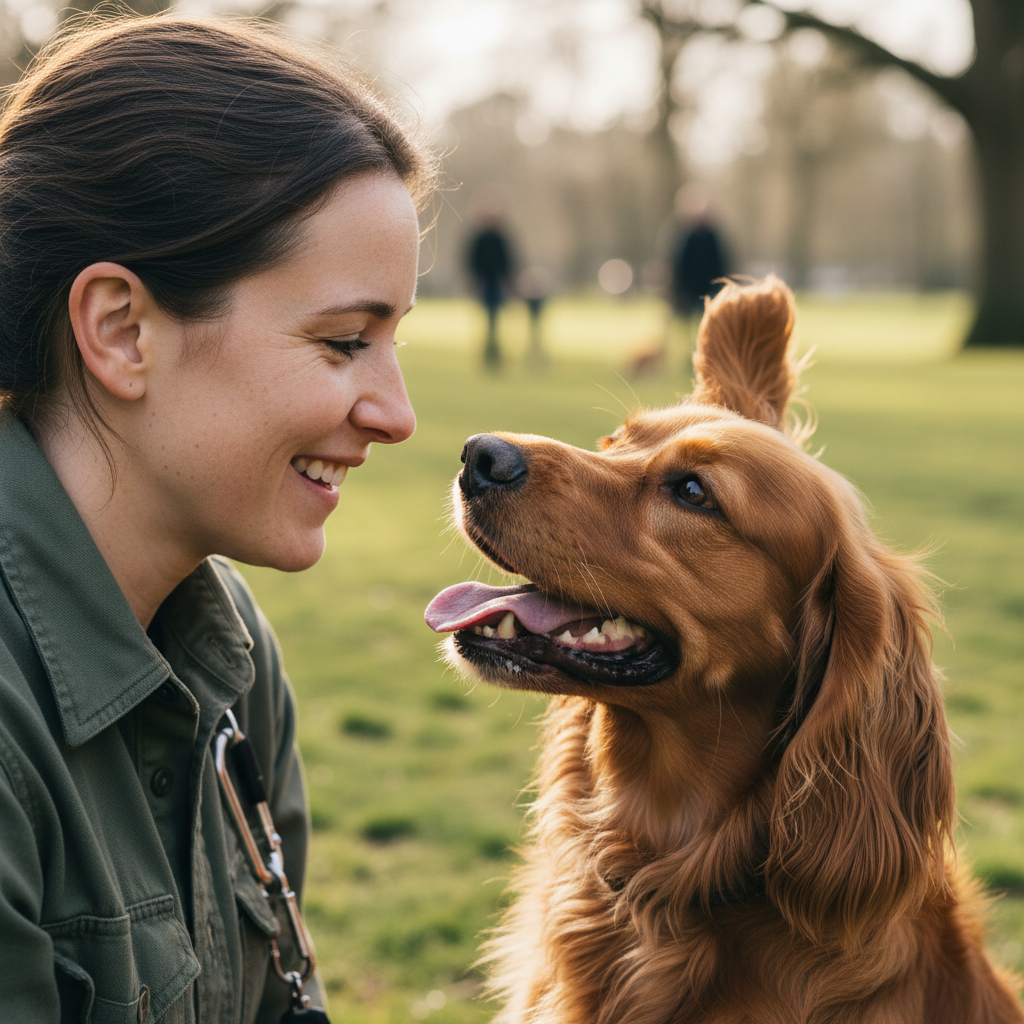
Once your dog has mastered basic commands, you can move on to more advanced training techniques. These might include agility training, scent work, or advanced obedience. Advanced training not only keeps your dog mentally stimulated but also strengthens your bond.
Ensure that each new skill is introduced gradually and that your dog is comfortable before moving to more complex tasks.
Seeking Professional Help
Sometimes, professional assistance may be beneficial. If you're facing challenges, consider consulting a professional dog trainer. They can offer personalized advice and techniques tailored to your dog's needs.
Professional trainers can also help address specific behavioral issues, providing you with the tools to ensure a happier, well-behaved pet.